 (07) 3132 0137

After a dental implant procedure, what you eat in the first few days matters more than most people expect. The surgical site is fresh, the surrounding tissues are in an active healing state, and small dietary decisions can either support or disrupt that process.
Dairy feels like a soft, gentle choice after oral surgery. But for most patients, dentists recommend holding off on dairy products during the early recovery phase. The reasons go beyond a general “eat soft foods” instruction, and understanding them can help you make better choices throughout your healing journey. Knowing what dental implant surgery involves and why post-operative care matters is a good place to start.
Quick Overview
- Avoiding dairy after dental implant surgery is a short-term guideline, typically covering the first 48 to 72 hours post-procedure.
- It applies to most patients who have had implant surgery, particularly those prescribed antibiotics or experiencing early-stage gum sensitivity.
- Dairy may interfere with certain antibiotics, leave residue near the surgical site, and trigger mild inflammation in some individuals.
- Individual healing rates, antibiotic type, number of implants placed, and oral hygiene habits all influence how dietary choices affect recovery.
- Your dentist will provide post-operative instructions tailored to your specific procedure and health history.
Below, we explain the key reasons behind this recommendation and what to eat instead.
Why Do Dentists Recommend Avoiding Dairy After Dental Implant Surgery?
Dairy products can create conditions that work against your body during the most critical window of implant healing. This is not a blanket rule that applies indefinitely, but in the first 48 to 72 hours post-surgery, several factors make dairy a less ideal food choice.
After dental implant surgery, patients are typically advised to eat soft foods while the implant site heals, and to take antibiotics if prescribed. Both of these instructions intersect with why dairy is temporarily restricted.
There are four main reasons:
- Dairy can interfere with certain antibiotics
Many patients are prescribed antibiotics following implant surgery to reduce infection risk. Some of these medications, particularly tetracycline-class antibiotics, have reduced absorption when taken with calcium-rich foods. Dairy products are high in calcium, and consuming them close to your antibiotic dose may reduce the medication’s effectiveness during a period when it is doing important protective work.
- Dairy residue can accumulate near the surgical site
Milk, soft cheese, and creamy foods tend to cling to gum tissue and sutures. During the early healing phase, gentle oral hygiene is recommended to avoid disturbing the implant site. Foods that leave a sticky residue near the wound create an environment where bacteria can more easily accumulate, potentially increasing infection risk.
- Dairy may trigger mild inflammation or increased mucus
Some individuals notice increased mucus production after consuming dairy. During healing, tissue repair is already producing an inflammatory response at the implant site, and any added irritation from food choices is worth avoiding. For patients who are sensitive to dairy in this way, even a small amount may cause discomfort or coughing, which can disturb the surgical area.
- Cold dairy items can increase sensitivity
Immediately after implant surgery, the area around the surgical site is highly sensitive. Ice-cold foods like ice cream or chilled smoothies made with dairy may cause a sharp sensitivity response at the implant site. Opting for room-temperature, non-dairy alternatives during the first few days avoids this discomfort.
Nutrition and Implant Healing
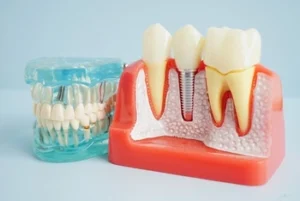
Nutrition plays a direct role in how well the body manages osseointegration: the process by which the implant fuses with the jawbone. Dental implants typically take approximately three months to fully integrate with the surrounding bone.
Several micronutrients, including vitamin D, vitamin C, zinc, and magnesium, are associated with supporting bone healing following implant placement. Vitamin D levels in particular are linked to implant outcomes. While dairy is not the only source of these nutrients, maintaining overall nutritional support during recovery is important for tissue repair and bone integration.
Individual outcomes vary, and the effect of any single dietary factor on implant success depends on the overall nutritional and health status of each patient.
What Affects Recovery After Dental Implant Surgery?
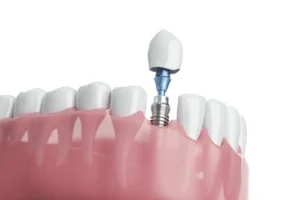
Several factors influence how smoothly the healing phase progresses:
- Oral hygiene: Keeping the surgical area clean without disturbing it requires care. Your dentist will provide specific guidance.
- Smoking: Smoking is associated with higher rates of implant failure and delayed healing. Patients are advised to avoid smoking during recovery.
- Medications: Certain medications, including some bone-modifying drugs, can affect healing capacity. Discuss your current medications with your dentist before surgery.
- Diet: Beyond dairy, hard, crunchy, sticky, and acidic foods should all be avoided during the initial soft-food phase.
- General health: Conditions such as uncontrolled diabetes may affect how the body heals around the implant site.
Dairy-Free Alternatives During Implant Recovery
Avoiding dairy for a few days does not mean sacrificing nutrition. The following foods are soft, gentle on the surgical area, and provide the nutrients your body needs during recovery:
- Scrambled eggs: Soft, high in protein, and easy to eat without chewing pressure.
- Mashed potatoes: A filling, carbohydrate-rich option that requires minimal chewing.
- Fortified oat milk or almond milk: These non-dairy alternatives are often calcium-fortified. Plant-based milks may or may not contain added calcium, so it is worth checking the label if calcium intake is a concern during recovery.
- Pureed soups and broths: Warm (not hot) options that support hydration and nutrient intake.
- Soft cooked fish or ground meat: Gentle protein sources that do not require significant chewing.
- Smoothies (non-dairy base): Using oat or almond milk with fruit and protein powder provides a nutrient-dense option.
Most patients can gradually reintroduce dairy after the initial 48 to 72-hour window, depending on their individual healing progress and any antibiotics they are still taking. Your dentist will advise you on the right timing for your specific situation.
A Considered Approach to Implant Recovery
Post-operative care is as important as the procedure itself. The dietary adjustments required in the first few days after dental implant surgery are temporary, and they are designed to give your body the best conditions for healing.
If you would like to understand more about what to expect from dental implant treatment, call Southside Friendly Dental Care on (07) 3132 0137 or get in touch online.
Note: Any surgical or invasive procedure carries risks. Before proceeding, you should seek a second opinion from an appropriately qualified health practitioner.
Frequently Asked Questions
How long should I avoid dairy after a dental implant?
The typical recommendation is to avoid dairy for the first 48 to 72 hours after dental implant surgery. After this initial window, and once any prescribed antibiotics are no longer at risk of interaction, most patients can begin reintroducing dairy gradually. How quickly you return to a normal diet depends on your healing progress and your dentist’s instructions.
Does dairy affect osseointegration?
Osseointegration is the process by which the implant fuses with the jawbone, and it takes approximately three months. Dairy itself is not directly linked to interfering with osseointegration. The concern around dairy is primarily focused on the immediate post-surgical period: antibiotic interactions, infection risk from residue, and tissue sensitivity. Maintaining overall nutritional support, including adequate calcium and vitamin D, is important for bone health throughout the healing period.
References
Healthdirect Australia. (2025). ‘Dental implant procedure’. Healthdirect Australia, 12 June. Canberra, ACT: Australian Government. https://www.healthdirect.gov.au/dental-implant
Australian Dental Association. (n.d.). ‘Dental Implants’. Teeth.org.au. Sydney, NSW: Australian Dental Association. https://www.teeth.org.au/dental-implants
Department of Health and Human Services (Victoria). (2025). ‘Calcium’. Better Health Channel, 12 November. Melbourne, VIC: State Government of Victoria. https://www.betterhealth.vic.gov.au/health/healthyliving/calcium


 General Dentistry
 Cosmetic Dentistry
 Restorative Dentistry
 Dental Implants
 Orthodontics
 Emergency Dentist